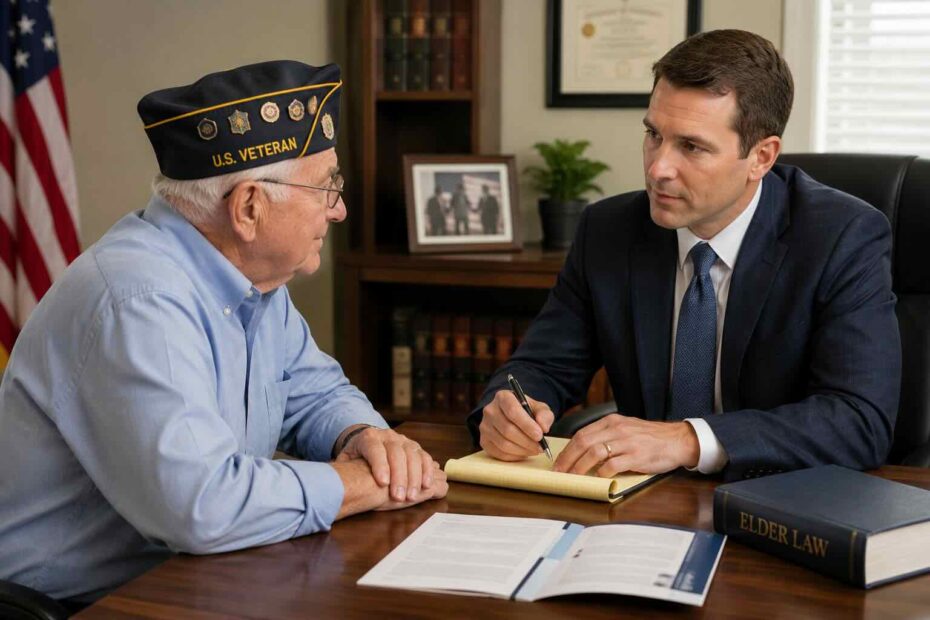
Many wartime veterans and surviving spouses are unaware that they may qualify for valuable Veterans Administration benefits to help pay for long-term care. One of the most important programs is the VA Aid and Attendance benefit, which can provide additional monthly income for eligible individuals who need assistance with daily activities.
The cost of care continues to rise across Pennsylvania. Whether a veteran needs home care, assisted living, or nursing home services, expenses can place tremendous pressure on family finances. VA Aid and Attendance benefits may help offset some of these costs.
To qualify, a veteran generally must have served during a qualifying wartime period and meet certain service, medical, and financial requirements. Importantly, active combat service is not necessarily required. Many veterans who served honorably during wartime may qualify even if they were never deployed overseas.
Surviving spouses of eligible veterans may also qualify under certain circumstances. Unfortunately, many widows and widowers never realize these benefits exist.
Medical eligibility typically requires that the applicant need assistance with activities of daily living. This may include help with bathing, dressing, medication management, mobility, or supervision related to cognitive decline.
Financial eligibility can be complicated. The Department of Veterans Affairs reviews income, assets, and transfers when evaluating applications. Certain assets may be exempt, while others are countable. Improper transfers can create penalties or delays.
Veterans benefits planning often overlaps with Medicaid planning. Families frequently need guidance understanding how these programs interact. A strategy that works well for one benefit program may unintentionally create complications for another if not handled carefully.
Timing is also important. Gathering military discharge papers, financial records, medical documentation, and supporting information can take time. Missing records or incomplete applications often delay approval.
Many older veterans served decades ago and no longer have copies of discharge paperwork. Obtaining these records may require additional effort. Families should begin planning before a crisis occurs whenever possible.
Scams targeting veterans are unfortunately common. Families should be cautious of individuals promising guaranteed approvals or pressuring them into inappropriate financial products. Veterans and their loved ones should seek guidance from qualified professionals experienced in elder law and veterans benefits planning.
In some situations, legal tools such as trusts or other asset protection strategies may be appropriate as part of broader long-term care planning. However, every family’s circumstances are different, and strategies should be carefully evaluated under current laws and regulations.
Veterans and surviving spouses have sacrificed greatly for our country. Accessing available benefits can help improve quality of life and provide additional financial security during difficult times.
Families should also understand that benefit programs and eligibility rules can change over time. Periodic review of existing plans is important to ensure continued compliance and effectiveness.
At The Law Office of Scott C. Painter, P.C., veterans and their families receive compassionate guidance regarding long-term care planning and VA benefits. Careful planning can help families maximize available resources while protecting financial stability and preserving dignity for aging loved ones.