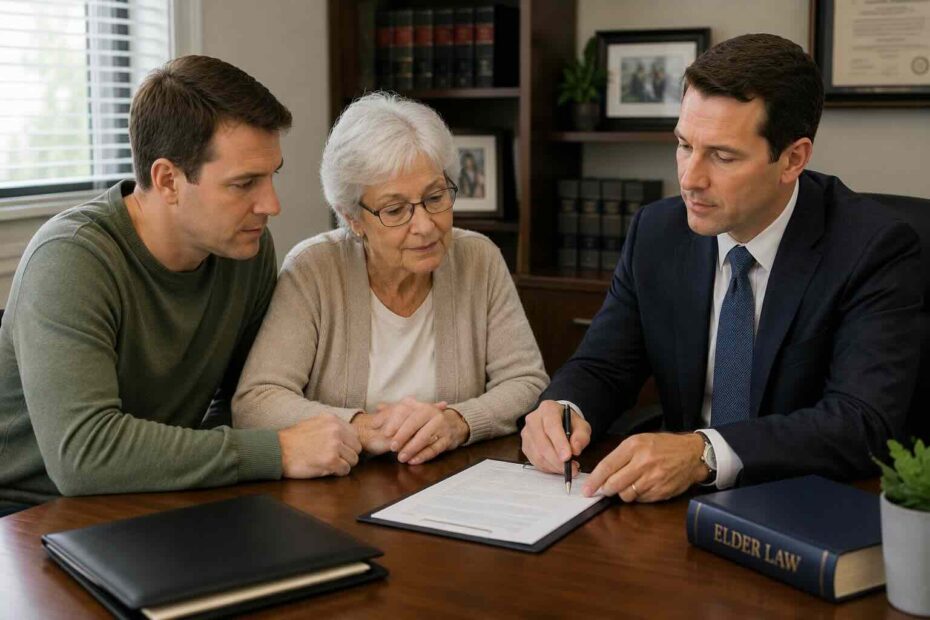
Many people believe estate planning simply means creating a will. While a will is certainly important, comprehensive estate planning involves much more than deciding who receives property after death.
A thoughtful estate plan helps protect loved ones during life and after death. It can reduce confusion, minimize family conflict, prepare for incapacity, and help ensure financial and healthcare decisions are handled according to personal wishes.
One of the most common misunderstandings is that only wealthy individuals need estate planning. In reality, adults of all ages and financial situations benefit from having core planning documents in place.
A will allows an individual to direct how assets should be distributed after death. It can also name guardians for minor children and identify the person responsible for handling the estate. However, a will alone may not avoid probate.
Probate is the legal process through which a deceased person’s estate is administered. Depending on the circumstances, probate can involve court filings, delays, administrative expenses, and public disclosure of certain information.
Trusts are often used as part of broader estate planning strategies. Certain trusts may help families avoid probate, manage assets for beneficiaries, or plan for long-term care needs. Trust planning can be especially helpful for blended families, individuals with special needs beneficiaries, or families seeking additional privacy and control.
Estate planning should also address incapacity planning. Financial powers of attorney, healthcare powers of attorney, and advance directives allow trusted individuals to make decisions if someone becomes unable to act independently.
Without these documents, families may face uncertainty during medical emergencies or cognitive decline. Court involvement through guardianship proceedings may become necessary.
Beneficiary designations are another critical part of estate planning. Retirement accounts, life insurance policies, and payable-on-death accounts typically pass according to beneficiary forms rather than a will. Outdated beneficiary designations can unintentionally disinherit loved ones or create disputes.
Pennsylvania families should also understand potential inheritance tax implications. Pennsylvania imposes an inheritance tax at varying rates depending on the relationship between the deceased and the beneficiary. Proper planning may help families prepare for these obligations.
Estate planning is not a one-time event. Plans should be reviewed periodically, especially after major life changes such as marriage, divorce, birth of grandchildren, retirement, relocation, or significant changes in health or finances.
Communication can also be valuable. While some families avoid discussing estate plans, thoughtful conversations may reduce confusion and conflict later.
Every family situation is different. Some individuals prioritize protecting children, preserving a family business, caring for a disabled loved one, or supporting charitable causes. Estate plans should reflect personal values and long-term goals.
Online legal forms often fail to address state-specific requirements or complex family dynamics. Personalized legal guidance can help ensure documents are properly drafted and coordinated.
At The Law Office of Scott C. Painter, P.C., estate planning is approached with care and attention to each client’s unique needs. Proper planning provides more than legal documents. It offers peace of mind, clarity, and protection for the people who matter most.